

Vancouver, BC Auto Glass Replacement
When you need professional Vancouver BC auto glass replacement, AllSet Auto Glass 2024 Ltd. delivers dependable solutions to restore your vehicle’s safety and visibility. Whether your windshield has a small crack or extensive damage, our experienced technicians provide high-quality replacements using durable materials and expert installation techniques. Learn more about safe driving after glass replacement by visiting our Safety page.
What We Offer
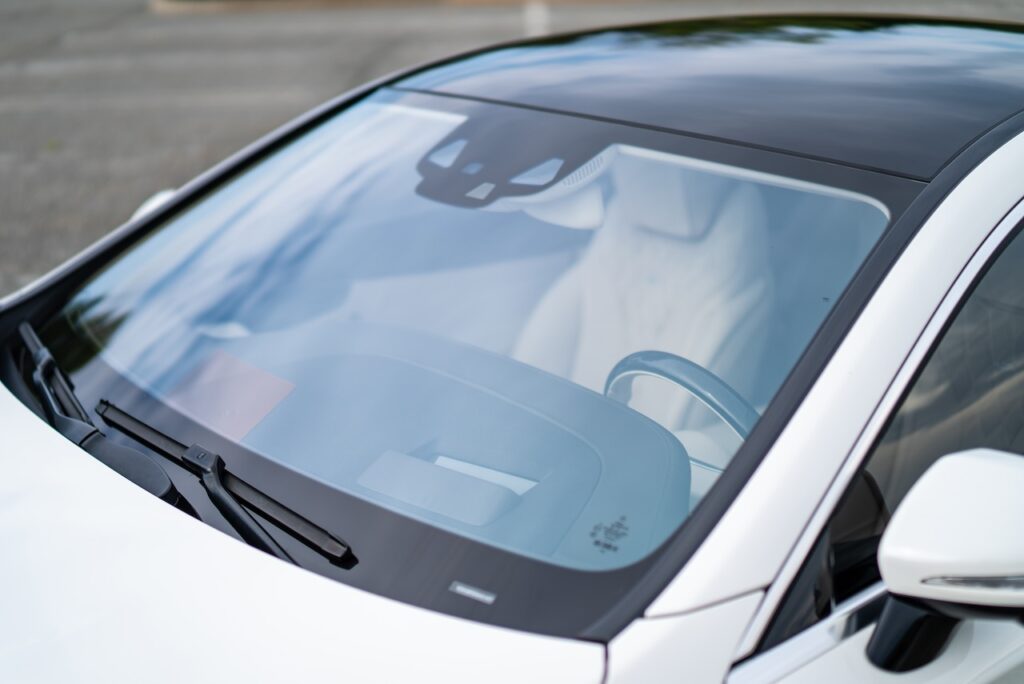
Windshield/Auto Glass Replacement
When you need professional Vancouver BC auto glass replacement, AllSet Auto Glass 2024 Ltd. delivers dependable solutions to restore your vehicle’s safety and visibility. Whether your windshield has a small crack or extensive damage, our experienced technicians provide high-quality replacements using durable materials and expert installation techniques. Learn more about safe driving after glass replacement by visiting our Safety page.
Our Vancouver BC auto glass replacement services are designed to get you back on the road quickly and safely. We replace damaged windshields and other automotive glass with precision, ensuring a proper fit and long-lasting performance. Every installation is completed with careful attention to quality, helping protect both you and your passengers.
Choose AllSet Auto Glass 2024 Ltd. for trusted Vancouver BC auto glass replacement backed by professional workmanship and outstanding customer service. Whether you require windshield replacement due to road debris, accidents, or everyday wear, our team is ready to provide reliable solutions tailored to your vehicle’s needs.
History of Laminated Glass (Windshields)
The Risks of Early Windshields
Early windshields were made of ordinary window glass, which could lead to serious injuries in a crash. A series of lawsuits led up to the development of stronger windshields.
The Pane vs. Ford Case and Toughened Glass
The most notable example of this is the Pane vs. Ford case of 1917, which ruled against Pane, finding that he was only injured through reckless driving. Vehicles were replaced with windshields made of toughened glass and were fitted in the frame using a rubber or neoprene seal. The hardened glass shattered into many mostly harmless fragments when the windshield broke. These windshields, however, could shatter from a simple rock chip.
Henry Ford’s Adoption of Laminated Glass
In 1919, Henry Ford solved the problem of flying debris by adopting the new French glass-laminating technology. Between 1919 and 1929, Ford ordered the use of laminated glass on all of his vehicles.
The Invention of Laminated Glass
Laminated glass was invented in 1903 by the French chemist Edouard Benedictus, inspired by a laboratory accident. A glass flask had become coated with the plastic cellulose nitrate, and when dropped, shattered but did not break into pieces. Benedictus fabricated a glass-plastic composite to reduce injuries in car accidents. It was not immediately adopted by automobile manufacturers, but the laminated glass was widely used in the eyepieces of gas masks during World War I.
Modern Laminated Glass Production
Modern laminated glass is produced by bonding two or more layers of ordinary annealed glass together with a plastic interlayer, usually polyvinyl butyral (PVB). The PVB is sandwiched by the glass, which is passed through rollers to expel any air pockets and form the initial bond, then heated to around 70 °C in a pressurized oil bath. The tint at the top of some car windshields is in the PVB. The PVB interlayer also gives the glass a much higher sound insulation rating due to its damping effect and blocks 99% of incoming UV radiation.
Introduction of Heated Automotive Windshields
Heated automotive windshields were introduced on Ford vehicles as “Quickclear” in Europe (“InstaClear” in North America) in the 1980s and remained in production through the early 1990s. An electric current is applied through a conducting layer of tin (IV) oxide to generate heat and prevent icing. This conductive metallic coating is applied to the inboard side of the outer glass layer. Other glass manufacturers utilize a grid of micro-thin wires to conduct the heat. These systems are more typically utilized by European auto manufacturers.
Impact of Thermal Glass on Navigation Systems
Using thermal glass has one downside: it prevents some navigation systems from functioning correctly, as the embedded metal blocks the satellite signal. This can be resolved by using an external antenna.
The Role of Glued-In Windshields in Vehicle Safety
Glued-in windshields contribute to the vehicle’s rigidity, but the main force for innovation has historically been the need to prevent injury from sharp glass fragments. Almost all nations now require windshields to remain in one piece, even if broken, unless pierced by a strong force. Properly installed automobile windshields are also essential to safety; along with the roof of the car, they provide protection to the vehicle’s occupants in the case of a rollover accident.
Regulations on Windshield Tinting
In many places, laws restrict the use of heavily tinted glass in vehicle windshields; generally, laws specify the maximum level of tint permitted. Some vehicles have noticeably more tint at the top of the windshield to block sun glare.
What Is ADAS and Why Calibrate After Windshield Replacement?
ADAS stands for Advanced Driver Assistance Systems. These technologies use cameras, sensors, and radar to improve vehicle safety by assisting the driver with tasks such as maintaining speed, staying in the lane, avoiding collisions, and parking.

Common ADAS Features Include:
- Adaptive Cruise Control (ACC)
- Lane Departure Warning (LDW) and Lane Keeping Assist (LKA)
- Collision Warning and Automatic Emergency Braking (AEB)
- Blind Spot Detection (BSD)
- Parking Assistance
- Traffic Sign Recognition (TSR)
- Driver Attention Monitoring
- Cross Traffic Alert
ADAS relies heavily on cameras and sensors, often mounted on or near the windshield. When you replace your windshield, these sensors may be misaligned, causing the system to provide inaccurate information or malfunction.
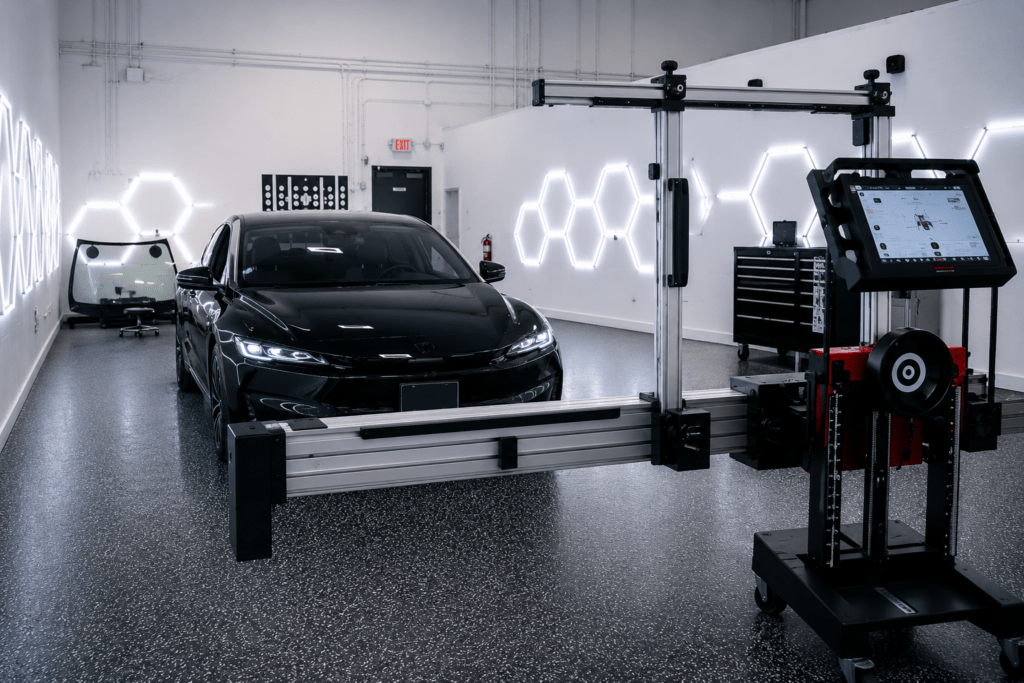
Why Is Calibration Necessary After Windshield Replacement?
- Sensor Alignment: Calibration ensures sensors and cameras are repositioned exactly as the manufacturer specifies.
- Data Accuracy: Proper calibration ensures ADAS receives the correct data to function safely.
- Safety: Correct calibration maintains the effectiveness of safety features to prevent accidents.
- Manufacturer Compliance: Following guidelines preserves warranty and vehicle performance.
- Legal Requirements: Some regions require a properly functioning ADAS for road legality.
Not all windshields need ADAS calibration after replacement, but if your car has ADAS features, you should have a qualified technician check and perform calibration as needed using the correct equipment. This ensures your vehicle’s safety systems work as intended.
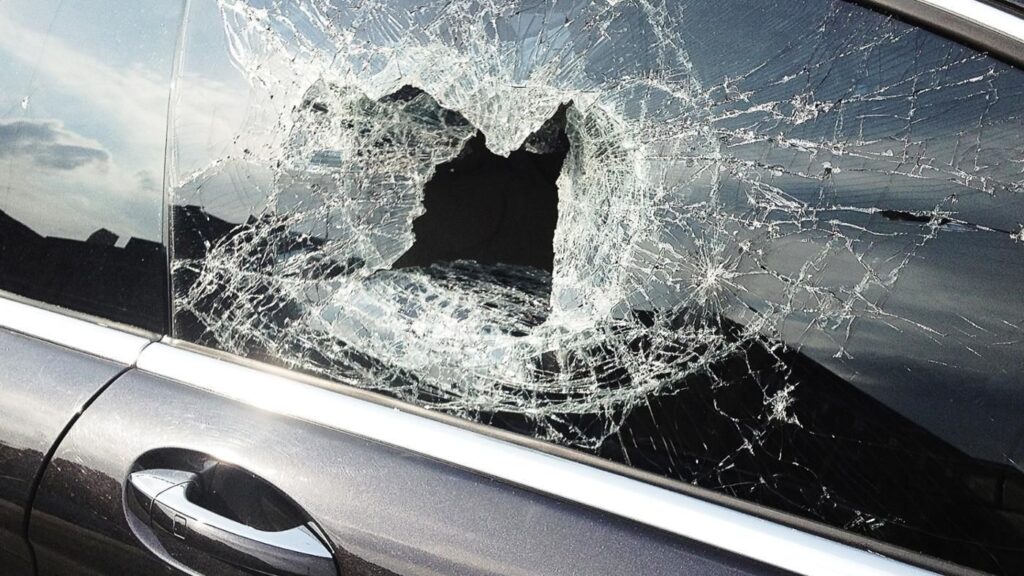
Door Glass Replacement
Damaged door glass can affect both your vehicle’s security and appearance. Our professional door glass replacement service ensures a precise fit and lasting durability, restoring your vehicle to its original condition efficiently and reliably. Trust us to maintain your safety and comfort—contact us to schedule your service.
Tempered Glass History
The first patent on tempered glass was held by chemist Rudolph A. Seiden, born in 1900 in Austria. Though the underlying mechanism was not known at the time, the effects of “tempering” glass have been known for centuries.
In about 1660, Prince Rupert of the Rhine brought the discovery of what are now known as “Prince Rupert’s Drops” to the attention of King Charles II. These are teardrop-shaped bits of glass produced by allowing a molten drop of glass to fall into a bucket of water, where it rapidly cools. They have the curious ability to withstand a blow from a hammer on the bulbous end without breaking, but the drops will disintegrate explosively if the tail end is even slightly damaged. The King often used the teardrops as a practical joke.
Toughened glass is processed by controlled thermal or chemical treatments to increase its strength compared with normal glass. Tempering creates balanced internal stresses that, when the glass is broken, cause it to crumble into small granular chunks rather than splinter into jagged shards. The granular chunks are less likely to cause injury.
Due to its safety and strength, tempered glass is used in a variety of demanding applications, including automotive windows, shower doors, architectural glass doors and tables, refrigerator trays, as a component of bulletproof glass, for diving masks, and for various types of plates and cookware.
The federal safety laws require that window glass be tempered if each of the following criteria is met: sill height within 18 in (0.457 m) of the floor, top edge greater than 36 in (0.914 m) from the floor, area greater than 9 ft² (0.836 m²), and horizontal distance to nearest walking surface of less than 36 in (0.914 m).
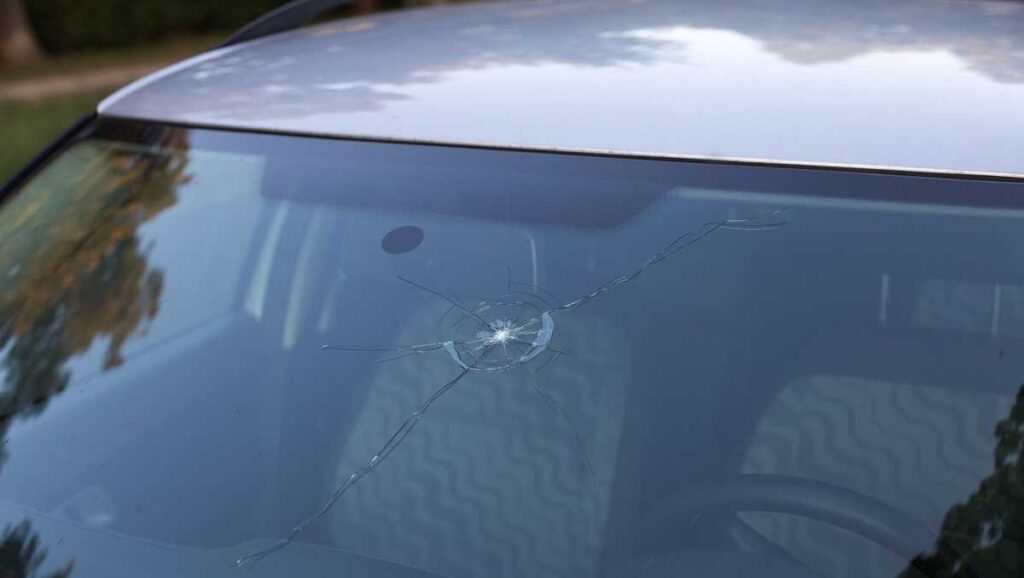
Windshield Repair
Address minor windshield damage promptly to ensure your safety and prevent more extensive repairs. Our professional windshield repair services provide precise, durable solutions to restore your glass’s integrity efficiently. Contact us today to schedule a repair service.
Is It Necessary to Repair a Chip That’s Not Obstructing Your Line of Vision?
The Risk of a Small Chip Expanding
Even a small chip could eventually turn into a larger crack. What typically causes a chip to spread is flex in the vehicle’s body from driving, or from cleaning it from the inside.
Impact of Dirt, Debris, and Weather
Wipers and weather conditions drive dirt and debris into the chip. Additionally, windshield washer fluid contains dyes, which can lead to discoloration. Repairing the chip within a day or two results in a cleaner, more effective fix compared to waiting a month or more, where discoloration and a dirty appearance are likely.
Temporary Solution and Safety Considerations
Repairing a chip is a temporary solution to prevent further cracking. Because windshields contribute to a vehicle’s structural integrity, damage beyond repair necessitates a full replacement by qualified automotive glass technicians. Chips smaller than the size of a loonie are typically repairable.
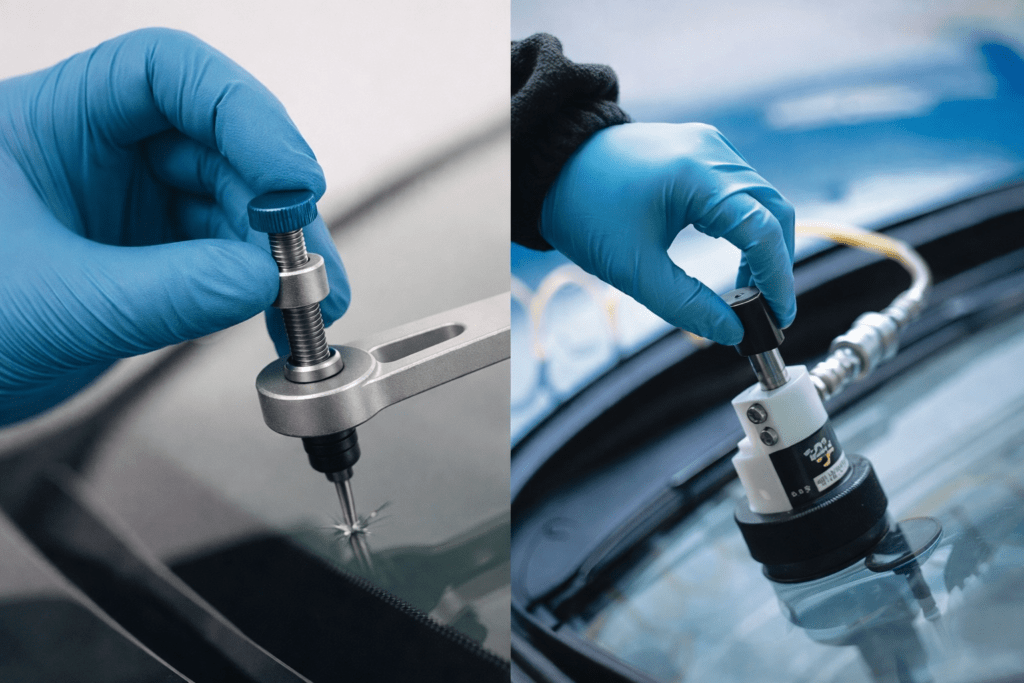
Rock Chip Repair
No matter the shape—bull’s-eye, half-moon, or star—most windshield chips can be expertly repaired to restore clarity and strength. Larger cracks, however, typically require full windshield replacement at a certified auto glass shop.
At AllSet Auto Glass 2024 Ltd., our advanced repair process involves vacuuming out trapped air from the damaged area, injecting high-quality resin, and curing it with UV light to seamlessly restore your windshield’s integrity. This precise procedure takes just 30-45 minutes, delivering fast, lasting results you can trust. Protect your safety and vehicle value—schedule a rock chip repair service today.
Let’s Get Started:
Get Your Quote
Call us today to schedule a free consultation.
Schedule an Appointment
During your call, we can schedule an appointment.
Drop Off Your Vehicle
Drop off your vehicle and enjoy your new auto glass.